Melbourne owners corporation pool maintenance

Managed pool and spa maintenance for shared residential facilities

Litra PoolCare provides scheduled pool and spa servicing for apartment buildings and other owners corporation properties across Melbourne’s south-east and selected nearby areas. Each service program is built around the facility, its circulation and treatment equipment, seasonal demand, site access and the records required by the manager or owners corporation committee.

Owners corporations were formerly known as body corporates in Victoria. For managed pools, the practical priority is to keep routine water care, equipment observations, service records and unresolved faults clearly documented rather than relying on a generic cleaning visit.

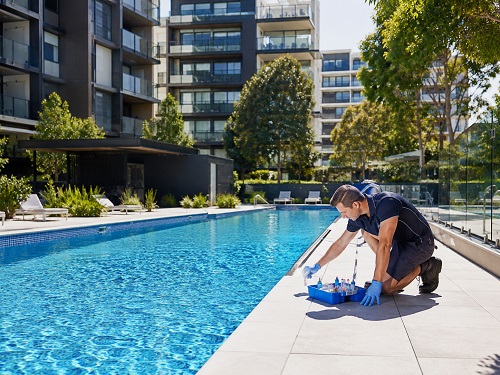
Technician servicing a shared apartment swimming pool in Melbourne
Routine pool servicing can be coordinated with the owners corporation manager, building manager or nominated site contact.
Scheduled servicing Service frequency is set from pool use, season, plant configuration and the agreed maintenance scope.
Documented visits Water readings, treatment, completed work and issues requiring follow-up can be recorded after each visit.
Equipment observations Pumps, filters, chlorinators, heaters, controllers and visible plumbing are checked during routine service.
Clear escalation Faults that need approval, specialist work or a separate repair can be identified for the agreed site contact.
Useful records for managers Reports can show what was tested, what was done, what changed and what requires approval or further investigation.
Maintenance based on the actual facility Visit frequency and scope are set after reviewing pool demand, equipment, access and existing operating arrangements.

Service Visits and Facility Operator Responsibilities

The maintenance contract should make clear what Litra PoolCare performs during scheduled visits and what remains the responsibility of the facility operator or owners corporation between those visits.

Victorian aquatic facility requirements depend on how the pool is used

Not every apartment swimming pool has the same regulatory classification. Under Victorian public aquatic facility requirements, some pools and spas at residential apartment complexes may be Category 2 facilities when they are used by members of the public. Use by the owners and residents of the apartment complex is treated differently for this classification.

Where Category 1 or Category 2 requirements apply, the facility operator has responsibilities relating to water-quality risk management, monitoring, records and incident response.

Victorian Department of Health — public aquatic facility requirements

Scheduled contractor visits do not replace operator monitoring

A Litra PoolCare service visit can provide testing, treatment, cleaning, equipment observations and service documentation within the agreed scope. It does not replace monitoring, record keeping or other duties that the facility operator may be required to complete between contractor visits.

Before a service program starts, the manager should confirm the facility classification, existing monitoring arrangements, site responsibilities and the people authorised to approve corrective work.

Practical service boundary: the proposal should state the agreed contractor attendance schedule, the records supplied after visits, the escalation contacts and any additional attendance available when a water-quality or equipment issue occurs.

What an Owners Corporation Pool Service Can Cover

The final scope depends on the pool or spa, circulation system, treatment equipment and site requirements. Routine work should focus on measurable water condition, physical cleaning, circulation performance and visible equipment condition.

Water Testing and Treatment

  • Water parameters tested within the agreed service scope
  • Treatment or chemical adjustment recorded when completed
  • Water clarity and visible contamination checked
  • Unusual chemical demand or recurring imbalance noted for follow-up

Pool and Spa Cleaning

  • Skimming and removal of accessible surface debris
  • Brushing of relevant pool surfaces
  • Vacuuming or floor cleaning where required
  • Basket and accessible debris checks as part of circulation maintenance

Plant and Equipment Observations

  • Pump priming, flow and abnormal operating noise
  • Filter pressure and cleaning or backwash condition
  • Chlorinator and controller behaviour visible during the visit
  • Leaks, vibration, damaged fittings and visible plumbing faults
  • Heater or heat-pump operating concerns where relevant to the site

Visible Site Issues

During routine servicing, obvious issues within the immediate working area can be recorded and passed to the manager. Examples may include a damaged fitting, water around equipment, restricted plant-room access or another condition that affects servicing.

Routine pool servicing is not a substitute for a formal pool-barrier, building, electrical, gas or workplace safety inspection.

What the Manager Can Receive After a Visit

Service reporting is most useful when it records measurable information and unresolved actions rather than a generic note that the pool was checked.

Visit and Water Record

  • Date of attendance
  • Water readings taken during the visit
  • Treatment or chemical adjustment completed
  • Cleaning and filtration work performed

Equipment Record

  • Visible pump, filter and treatment-system observations
  • Abnormal noise, leaks, flow changes or pressure concerns
  • Equipment faults that require diagnosis or repair
  • Parts or work requiring approval before proceeding

Photos Where They Add Context

Photographs can be used to document a leak, damaged component, unusual water condition, equipment fault or another issue that is easier for the manager or committee to assess visually.

Follow-Up Status

Open issues can be identified as requiring monitoring, further diagnosis, manager approval, a separate repair quote or another visit. This makes it easier to distinguish completed service work from outstanding action.

How Water-Quality and Equipment Issues Are Escalated

Response terms should be agreed for the specific property rather than implied by a generic website promise. The service proposal can define who is contacted, what Litra PoolCare is authorised to do immediately and which work requires approval.

Issue Type Typical Examples Service Action Next Step
Water-quality concern Loss of expected sanitiser level, poor clarity, algae or an unusual water-reading trend Record the condition, complete authorised corrective work within the service scope and advise the nominated site contact Additional monitoring, treatment or attendance is arranged according to the facility requirements and service agreement
Equipment fault Weak flow, pump fault, filter-pressure problem, leak, chlorinator issue or heater fault Record visible symptoms, isolate the likely affected equipment where appropriate and report what can be established during the visit Further diagnosis, repair, specialist trade attendance or a separate quote may be required
Approval required Replacement parts, significant chemical treatment, additional labour or equipment replacement Provide the manager with the issue, recommended action and available supporting photographs or equipment details Work proceeds after approval under the agreed authority and purchasing process
Planned improvement Ageing equipment, recurring flow problems, difficult valve layout or inefficient operating setup Document the recurring pattern and explain the practical maintenance impact Review repair, replacement or upgrade options separately from routine servicing
Response windows: emergency availability, after-hours attendance and target response times should be stated in the individual service agreement if they form part of the contracted service.

How Visit Frequency Is Set

A shared residential pool should not automatically be placed on the same schedule as every other property. Contractor attendance depends on the facility, while any operator monitoring obligations need to be considered separately.

Factors That Affect the Service Schedule

  • Pool and spa volume
  • Season and expected swimming activity
  • Bather load and periods of heavier use
  • Existing chlorination, automation and control equipment
  • Filter type and circulation performance
  • Leaf load, surrounding landscaping and weather exposure
  • Existing on-site monitoring arrangements

The Schedule Can Change Through the Year

A property may need a different contractor attendance pattern during periods of higher demand, prolonged hot weather, equipment problems or unusual contamination.

Any reduced off-season service schedule should be based on actual facility conditions and the operator's continuing responsibilities, not simply on the assumption that a pool requires less attention because it is winter.

Working With the Owners Corporation Manager

The service arrangement works more smoothly when the decision path is established before a fault occurs. Litra PoolCare can coordinate routine pool work with the owners corporation manager, building manager or another nominated site representative.

Before Service Starts

  • Confirm site access and permitted service times
  • Identify the primary manager and backup contact
  • Review the existing pool and plant-room condition
  • Confirm the reporting format
  • Define spending or repair approval limits where applicable

For Ongoing Service

  • Keep routine visit records consistent
  • Separate completed work from unresolved faults
  • Record recurring problems rather than treating each as an isolated event
  • Provide supporting information when repair approval is required
  • Review the service scope when facility demand changes

Owners Corporation Pool Service Pricing

A service quote is based on the property rather than a universal per-visit figure. The proposal should distinguish scheduled maintenance from chemicals, replacement parts, additional callouts and repair work.

What Affects the Quote

  • Number and size of pools or spas
  • Required contractor attendance frequency
  • Pool use and seasonal demand
  • Plant-room complexity and treatment equipment
  • Site access and parking conditions
  • Reporting and communication requirements
  • Existing equipment or water-quality issues identified at assessment

How Costs Can Be Separated

  • Scheduled service fee under the agreed maintenance plan
  • Chemicals supplied under the agreed pricing arrangement
  • Replacement parts itemised when required
  • Additional attendance outside the scheduled service plan
  • Separate repair, replacement or upgrade quotes where needed

Starting a New Owners Corporation Pool Service

Before recurring maintenance begins, the existing condition of the pool and plant room should be documented so routine servicing starts from a known baseline.

1

Site Assessment

Review the pool or spa, equipment area, access, circulation system, treatment equipment and existing maintenance arrangements.

2

Baseline Condition

Record current water condition, visible equipment issues and any maintenance items that should be addressed before or alongside recurring service.

3

Service Scope

Agree contractor attendance, reporting, escalation contacts, approval limits and any work that sits outside routine maintenance.

4

Ongoing Review

Use visit records to identify recurring water, circulation or equipment problems and adjust the maintenance approach when conditions change.

Owners Corporation Pool Service FAQ

Common questions about arranging recurring pool and spa maintenance for shared residential facilities in Melbourne.

Do you work with owners corporation managers and building managers?

Yes. Routine reports and repair approvals can be coordinated with the owners corporation manager, while access and day-to-day site matters can be handled through the building manager or another nominated contact.

Is an owners corporation the same as a body corporate in Victoria?

Owners corporation is the current Victorian term. Body corporate is the former term and is still commonly used when people search for or describe this type of property management.

How often should Litra PoolCare visit the property?

Contractor attendance is set after reviewing the facility, season, pool use, treatment equipment, circulation system and existing on-site monitoring arrangements. The service schedule is separate from any monitoring duties that apply to the facility operator.

Does every apartment pool have the same Victorian compliance requirements?

No. Regulatory classification depends on how the aquatic facility is used. Managers should establish which Victorian requirements apply to their facility rather than assuming that every residential apartment pool falls into the same category.

What information can be included in a service report?

Reports can include the visit date, water readings taken, treatment completed, cleaning performed, equipment observations, photographs where relevant and any work requiring approval or further investigation.

Can equipment repairs be completed during a routine visit?

Minor work may be possible when it falls within the agreed scope and the required parts and authority are available. More involved diagnosis, repair, replacement or specialist trade work is quoted or arranged separately.

Can urgent water or equipment problems be handled outside scheduled visits?

Additional attendance can be discussed as part of the service agreement. Availability, response expectations, after-hours conditions and authorisation limits should be established for the individual property rather than assumed from the regular maintenance schedule.

Can you help identify equipment that is becoming unreliable?

Routine service records can show recurring leaks, flow problems, abnormal noise, repeated treatment issues or equipment faults. Where a pattern develops, the manager can be given the observations needed to consider repair or replacement separately.

Request an Owners Corporation Pool Service Assessment

Send the property suburb, number of pools or spas, current service frequency and any known water-quality or equipment concerns. Litra PoolCare can review the site and prepare a maintenance scope covering scheduled visits, reporting and issue escalation.

Service availability and the final maintenance scope are confirmed for the individual Melbourne property.

Service Area Map: South-East Melbourne, Nearby Bayside Suburbs & Selected Peninsula Areas

Tap a suburb chip to focus the map. We mainly service Carrum Downs, Frankston, Seaford, Chelsea, Patterson Lakes and nearby south-east suburbs, with selected Mornington Peninsula coverage.

Map shows the main service radius around Carrum Downs. Final visit availability still depends on suburb, access, and current workload.
Map could not load. Service areas include Carrum Downs, Frankston, Seaford, Chelsea, Patterson Lakes, Langwarrin, Skye, Edithvale, Aspendale, Mordialloc and nearby south-east suburbs.
Cleaning Maintenance Skimmer Filtration Chlorine Algae Pump Backwash Vacuum pH Level Sanitizer Brush Debris Water Test
Call Now Button