

Pool valve replacement and visible pool plumbing replacement in Melbourne
Leaking valves, cracked fittings, brittle PVC and old glue repairs can make a pool equipment pad unreliable and difficult to service. Litra PoolCare replaces accessible hydraulic components around the equipment pad, including multiport valves, check valves, ball valves, diverter valves, unions, fittings and exposed pipe sections.
This service is for visible pool plumbing near pumps, filters, heaters, heat pumps, salt chlorinators, dosing systems and connected equipment. It does not cover hidden underground pipework, excavation or underground leak detection. The focus is practical: stop leaks, improve valve operation, make future servicing easier and leave the equipment pad cleaner and more reliable.
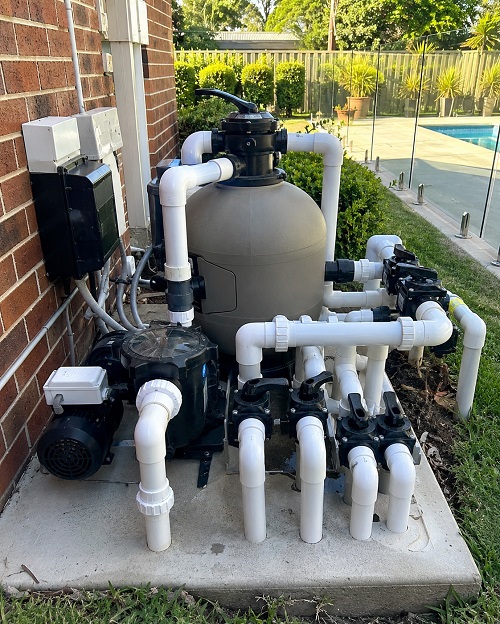
Valve and plumbing work during equipment replacement
Visible pipework, unions and valves are often replaced at the same time as pumps, filters, heaters, chlorinators or dosing equipment. This prevents a new unit being fitted into old leaking, restrictive or badly aligned plumbing.
During equipment replacement, Litra PoolCare checks whether the existing pipe runs give the new unit enough clearance, correct flow direction and service access. If the surrounding fittings are brittle, seized, leaking or set at the wrong height, rebuilding that exposed section during the same visit usually gives a cleaner and more reliable result than connecting new equipment to tired pipework.
Multiport valve replacement
For sand filter changeovers, leaking valve bodies, worn spider gaskets, stiff handles or filter setups where the waste line and valve height need to be rebuilt around the new filter.
Check valve replacement
For equipment layouts where reverse flow, drain-back or heater and chlorinator protection needs to be controlled with a serviceable check valve in the exposed pipework.
Ball valve replacement
For simple isolation points that are cracked, seized, leaking through the stem or no longer useful for shutting off equipment during cleaning, servicing or replacement.
Diverter valve replacement
For suction, return, bypass or equipment-loop control where the valve needs to turn cleanly, seal properly and leave enough room for future service access.
Unions and fittings
For pumps, filters, heaters, chlorinators and dosing equipment that need removable connections, better alignment and fittings that do not pull the new unit out of position.
Visible pipework tidy-up
For exposed PVC sections that have been patched, crossed over, glued too close to equipment, set at the wrong height or left without enough straight pipe for future repairs.
What valve and visible plumbing replacement covers
Pool plumbing replacement around the equipment pad can be a small local repair or a wider visible plumbing tidy-up. The correct scope depends on valve condition, pipe length, equipment spacing, access, water flow direction and whether the existing layout allows safe servicing without unnecessary cutting.
Multiport valve replacement
Multiport valve replacement is usually connected with sand filter systems. The valve controls filter, backwash, rinse, waste and recirculate positions. Replacement may be needed when the handle is stiff, the valve body leaks, the spider gasket no longer seals properly, or water does not move through the selected mode correctly.
If the sand filter is also ageing, the multiport valve should be assessed together with the filter body, waste line, unions and surrounding pipework. During pool filter replacement, checking the multiport valve and exposed pipework at the same time often prevents a second visit later.
Check, ball and diverter valve replacement
Check valves, ball valves and diverter valves control how water moves through the pool system. A check valve can help manage reverse flow or drain-back in suitable layouts. A ball valve provides a simple shut-off point. A diverter valve directs water between suction lines, return lines, heater bypasses, chlorinator loops or other equipment paths.
Valve replacement is often needed when a valve is cracked, leaking, brittle, seized, difficult to turn or no longer sealing properly. Replacing the right valve can improve flow control, reduce service frustration and make the equipment easier to isolate during maintenance.
Visible pipework, unions and fittings replacement
Visible pool pipework replacement covers exposed PVC sections around pumps, filters, heaters, heat pumps, chlorinators and equipment pad connections. This can include cracked pipe, leaking elbows, old glue repairs, poorly placed joins, missing unions, damaged fittings or pipework that blocks access to serviceable parts.
Unions and fittings are especially important where equipment may need to be removed, serviced or upgraded later. A well-planned equipment pad should allow access to the pump basket, filter, chlorinator cell, heater bypass, valve handles and service panels without forcing every future repair to start with cutting pipe.
When pool owners replace visible hydraulics
Pool owners usually replace visible hydraulics when the equipment pad starts leaking, becomes hard to operate or no longer suits the equipment installed on it. Sometimes the problem is obvious, such as a cracked union. In other cases, the system still runs, but old pipework creates stress on fittings, restricts access or makes routine maintenance harder than it needs to be.
Brittle exposed pipework
Outdoor PVC can become brittle with age, heat, UV exposure, vibration and repeated service work. Around Melbourne, exposed equipment pads also deal with strong sun, temperature swings and storm debris. Once pipework has become fragile or has already been patched several times, replacing the affected section is often more reliable than adding another small repair.
Leaking visible joints
Drips around unions, elbows, valve bodies and fittings can waste water and keep the equipment area damp. A local repair may be enough if the surrounding pipework is sound and there is enough straight pipe to rebuild the section properly.
Messy old layout
Equipment pads often become untidy after years of add-ons and partial repairs. Pipes may cross awkwardly, valves may sit too close together, and unions may be missing where they are actually needed. A visible plumbing tidy-up can make the pad easier to understand, operate and service.
Poor equipment access
Pipework should not block the pump basket, filter drain, chlorinator cell, heater connections or service panels. Better visible pipework layout can make maintenance faster and reduce unnecessary strain on connected equipment.
Outdated equipment arrangement
A pool may start with a simple pump and filter, then later gain a chlorinator, heater, heat pump, dosing system or different filter. If each item was added separately, the final layout may need to be rebuilt into a cleaner and more serviceable arrangement.
Preparing for equipment replacement
If a pump, filter, heater, heat pump or chlorinator is being replaced soon, the old visible plumbing should be checked before the new unit is installed. This helps avoid connecting new equipment to weak, cramped or poorly positioned pipework.
Plumbing tidy-up during equipment upgrades
Visible plumbing replacement often makes the most sense during a larger pool equipment upgrade. When a pump, filter, heater, heat pump, chlorinator or dosing system is replaced, the new unit may not line up with the old exposed pipework. Leaving old awkward plumbing in place can make the finished installation harder to isolate, harder to service and more likely to need correction later.
A well-finished equipment upgrade should leave the new unit supported by serviceable pipework, clear flow direction and accessible valves. This reduces future labour, avoids unnecessary cutting and makes the system easier for the owner or technician to understand.
What to send for a valve or plumbing quote
Photos are the fastest way to understand whether the job is a simple valve replacement, a leaking union repair, a short pipework rebuild or a wider visible plumbing upgrade. One close-up is rarely enough because pipe direction, equipment spacing, valve position and access all affect the quote.
Send these photos
Add a short note
Local service area for visible pool plumbing work
Litra PoolCare provides pool valve replacement and visible pool plumbing replacement across Melbourne and nearby service areas, including Carrum Downs and the Mornington Peninsula. The service is suited to residential pool owners who need exposed equipment pad hydraulics repaired, replaced or tidied during equipment work.
Melbourne equipment pad plumbing
Replacement work can include multiport valves, check valves, ball valves, diverter valves, unions, fittings, visible PVC sections and pipework around pumps, filters, heaters, heat pumps, chlorinators and related equipment.
Quote by equipment pad photos
Send photos first so the team can confirm whether the job is a local valve replacement, leaking union repair, visible plumbing tidy-up or part of a larger pool equipment replacement.
FAQ
Do you replace only visible pool plumbing?
Yes. This service focuses on exposed pipework around the equipment pad, including valves, unions, fittings and visible PVC sections. Hidden underground plumbing, excavation and underground leak investigation are a different scope.
Can valves be changed during a larger equipment replacement?
Yes. Valve replacement is often done during pump, filter, heater, heat pump or chlorinator replacement. If old valves or unions no longer suit the new equipment layout, replacing them during the same job can create a cleaner and more serviceable result.
Can messy pipework be tidied as part of the job?
Yes, where access and equipment position allow it. A visible plumbing tidy-up can reduce awkward joints, improve service access and make the equipment pad easier to maintain.
Do I need to know which valve type I have?
No. Send clear photos of the equipment pad and close-ups of the valve area. The valve can usually be identified from its position and appearance, whether it is a multiport valve, check valve, ball valve, diverter valve or another fitting.
Can leaking unions or fittings be replaced without changing all equipment?
In many cases, yes. If the equipment is still suitable and the problem is local, the affected unions, fittings or short visible pipe sections may be replaced without replacing the whole pump, filter or heater.
Should valves and unions be replaced during equipment replacement?
Often, yes. If a new pump, filter, heater, chlorinator or dosing system is being installed into old leaking or badly aligned pipework, replacing the exposed valves, unions and fittings during the same job can prevent leaks, access problems and repeat pipe cutting later.
Is this the same as full pool plumbing replacement?
No. Full pool plumbing replacement can involve underground lines and a much larger scope. This service is for visible hydraulics around the equipment pad: valves, unions, fittings and exposed pipework that can be accessed without excavation.
Book pool valve and visible plumbing replacement
Send equipment pad photos with your suburb and a short description of the issue. Litra PoolCare can assess whether the job is a multiport valve replacement, check valve replacement, ball valve replacement, leaking union repair, exposed pipework replacement or plumbing tidy-up during a pump, filter, heater, chlorinator, dosing system or wider equipment replacement.