Usual starting interval for active outdoor pools
Litra PoolCare generally recommends fortnightly servicing where warm weather, swimmers, sunlight and debris cause the pool to change noticeably between visits.


Litra PoolCare provides scheduled residential pool cleaning and maintenance across established south-east Melbourne routes. Fortnightly servicing is $130 per visit and monthly servicing is $150 per visit, with standard balancing chemicals included. An initial service is required before an ongoing maintenance plan begins. Monthly servicing is intended for suitable lower-use or covered pools where the owner monitors the pool between professional visits.
Both plans combine cleaning, routine water testing and balancing, filter attention and basic checks of accessible pool equipment. The main difference is how often the pool receives professional attention.
| Maintenance plan | Visit price | What the visit covers | Best suited to |
|---|---|---|---|
| Fortnightly Every 14 days | $130 per visit Standard balancing chemicals included | Cleaning, routine water testing and balancing, basket and filter checks, accessible equipment observations and service notes. | Active outdoor pools, regular swimming, higher leaf load and pools that need closer attention during warmer months. |
| Monthly Every four weeks | $150 per visit Standard balancing chemicals included | Cleaning, routine water testing and balancing, basket and filter checks, accessible equipment observations and service notes. | Selected lower-use or covered pools where the owner monitors sanitiser, pH, water level, baskets and water clarity between visits. |
Initial service required: before an ongoing fortnightly or monthly plan starts, Litra PoolCare completes an initial service at $130 plus chemicals for the first hour. Additional labour is $80 per hour where required.
Salt, stabiliser, phosphate remover, flocculant, green-pool treatment, equipment parts, repairs and other non-routine products or work are separate where required. See the current Litra PoolCare price list and service exclusions for the full pricing scope.
Each visit is adjusted to the pool condition found on the day. Routine maintenance is designed for a pool that is operating normally and does not require separate algae recovery or equipment fault diagnosis.
Salt pools: salt status can be reviewed from the chlorinator display and, where required, checked with a suitable independent salt test. A chlorinator display alone should not be treated as an independent laboratory-style measurement.
Litra PoolCare generally recommends fortnightly servicing where warm weather, swimmers, sunlight and debris cause the pool to change noticeably between visits.
Monthly servicing can suit selected covered or lower-use pools when the owner monitors sanitiser, pH, water level, baskets and water clarity between professional visits.
If the pool changes significantly within two weeks, monthly professional servicing may not be suitable unless more frequent owner checks and maintenance are performed between visits.
Routine maintenance includes visual and operating checks of accessible pool equipment. It does not include dismantling, electrical work, parts replacement or detailed fault diagnosis.
Recurring leaks, weak flow, equipment faults or repair-versus-replacement questions should be booked through the pool equipment inspection and repair service.
Pool demand changes through the year. Hot weather and heavy swimming can increase sanitiser demand, wind can add leaves and organic debris, and heavy rain or overflow can dilute pool chemistry and increase filtration demand. Cooler or covered pools may need less frequent professional attendance, but water level, chemistry, baskets and equipment still need monitoring between visits.
These examples show visible changes after cleaning and pool-care work. The result on any pool depends on its starting condition, water chemistry, circulation and filtration performance.
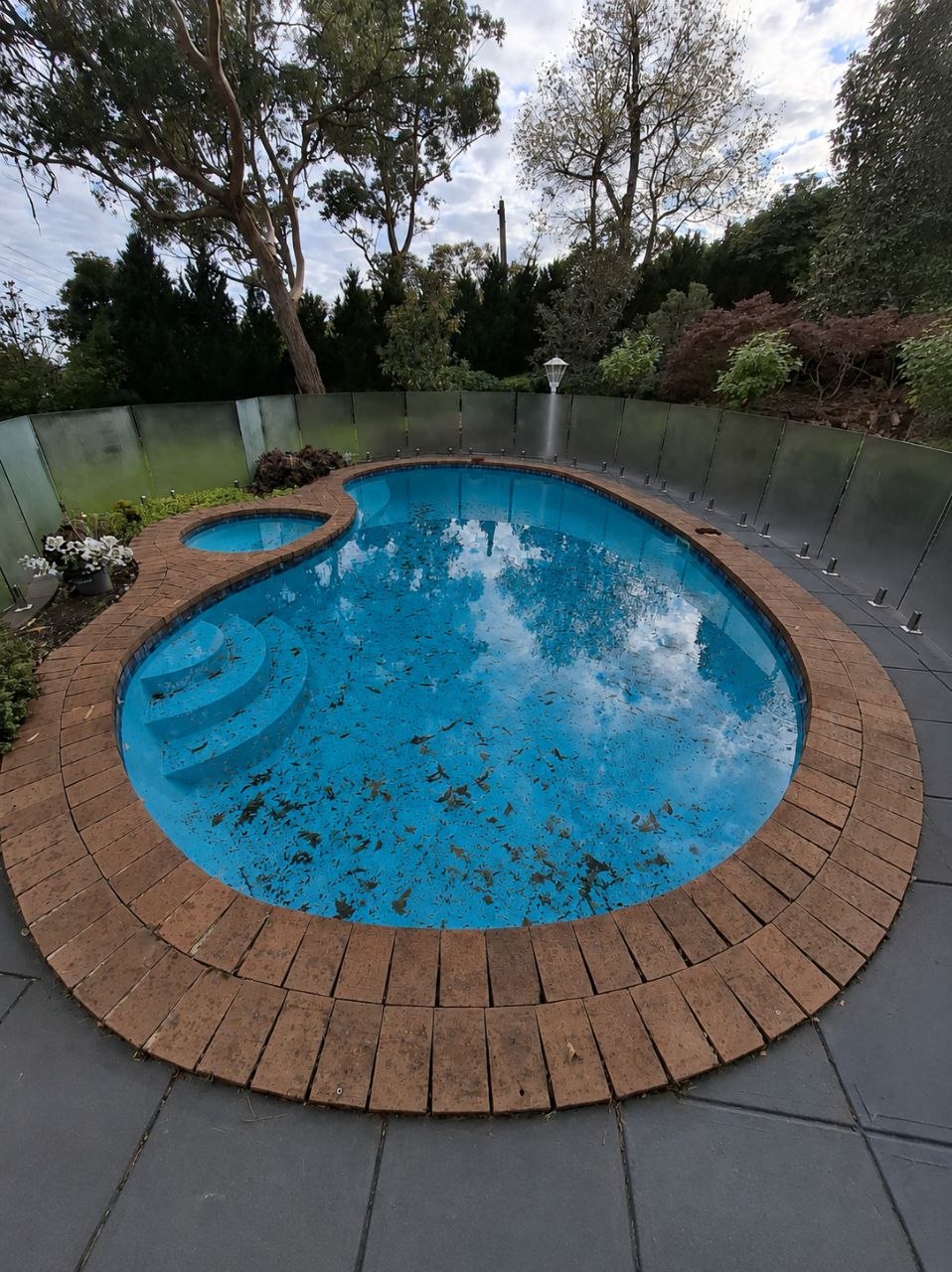
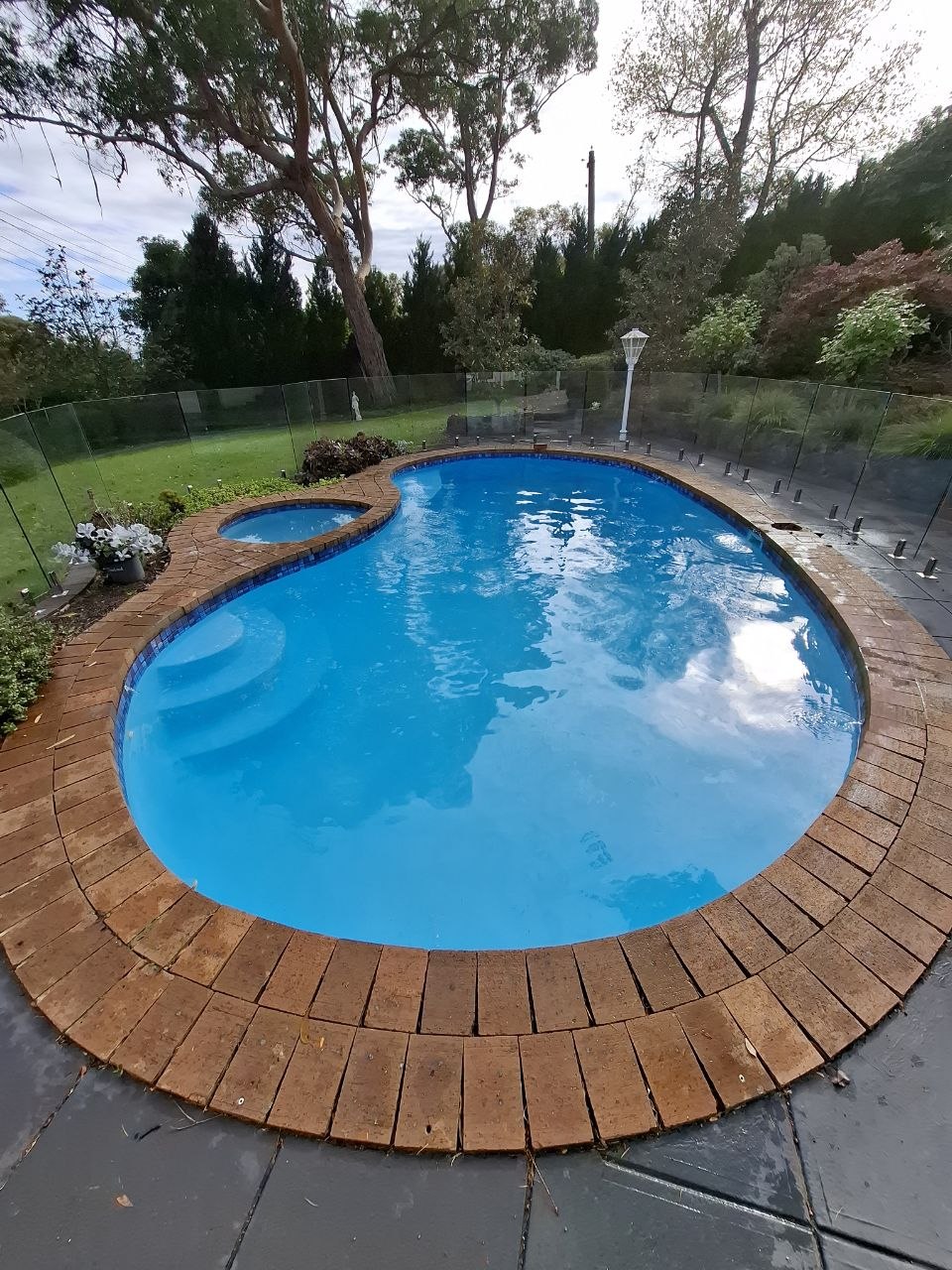
Visible improvement after debris removal, cleaning and pool-care work.
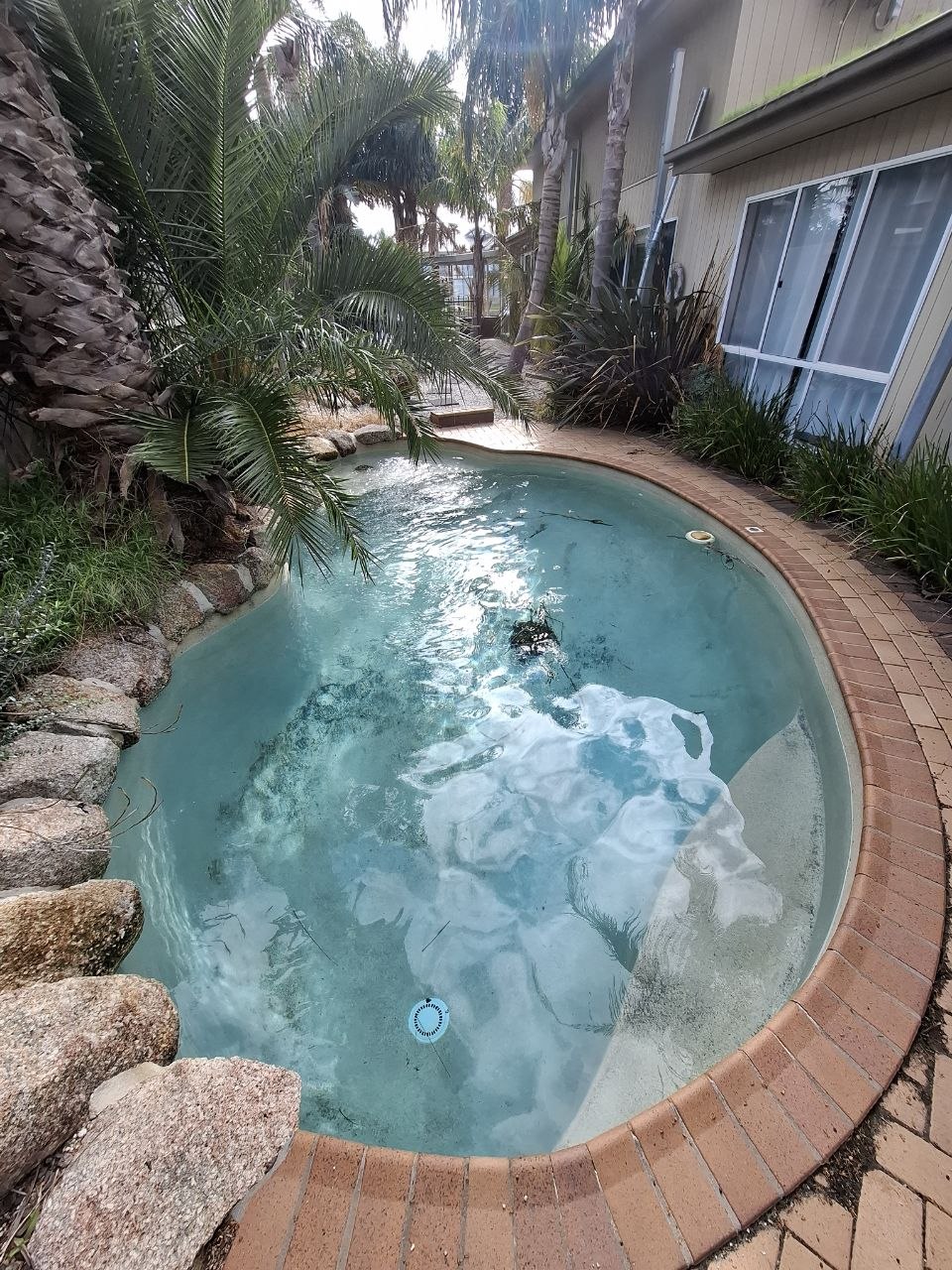
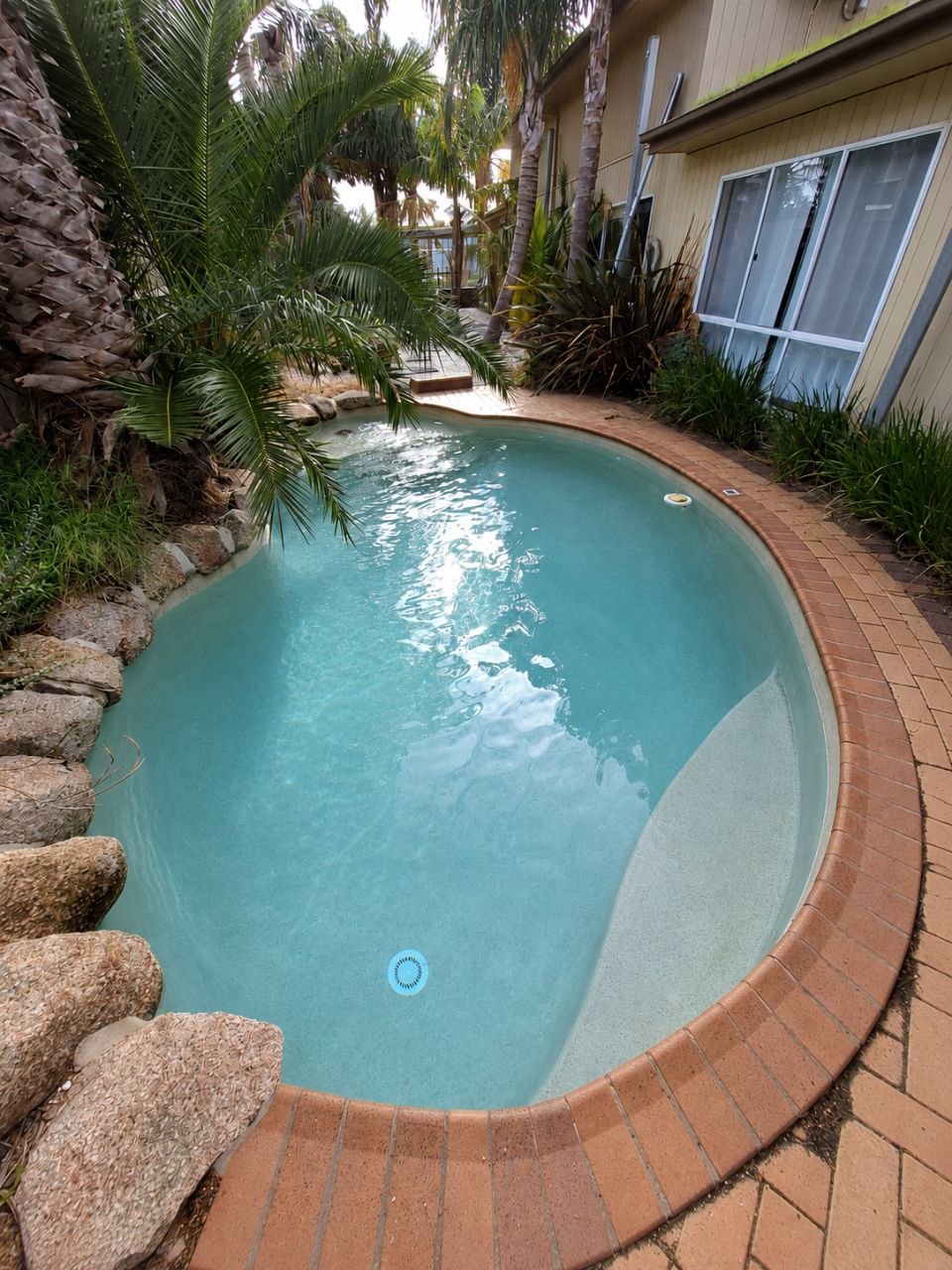
Visible improvement after floor, wall and surface cleaning.
Litra PoolCare is based around Carrum Downs and services established south-east Melbourne routes, with selected Mornington Peninsula and other locations considered according to suburb, job scope and route availability. Check the pool maintenance service areas across Melbourne and the Mornington Peninsula before booking.
Yes. Litra PoolCare requires an initial service before an ongoing fortnightly or monthly plan begins. The current listed price is $130 plus chemicals for the first hour, with additional labour charged at $80 per hour where required.
Standard balancing chemicals are included in the published fortnightly and monthly plan prices. Salt, stabiliser, phosphate remover, flocculant, green-pool treatment and other non-routine products are separate where required.
No. Routine maintenance includes basic observations of accessible equipment. Fault diagnosis, dismantling, parts, repairs, replacement work and licensed electrical or gas work require a separate scope.
Send your suburb, a full-pool photo and an equipment-area photo. Litra PoolCare can confirm route availability, arrange the required initial service and determine whether fortnightly or monthly maintenance is suitable for the pool.
 Cleaning
Maintenance
Skimmer
Filtration
Chlorine
Algae
Pump
Backwash
Vacuum
pH Level
Sanitizer
Brush
Debris
Water Test
Cleaning
Maintenance
Skimmer
Filtration
Chlorine
Algae
Pump
Backwash
Vacuum
pH Level
Sanitizer
Brush
Debris
Water Test
Cleaning
Maintenance
Skimmer
Filtration
Chlorine
Algae
Pump
Backwash
Vacuum
pH Level
Sanitizer
Brush
Debris
Water Test
Cleaning
Maintenance
Skimmer
Filtration
Chlorine
Algae
Pump
Backwash
Vacuum
pH Level
Sanitizer
Brush
Debris
Water Test