

Pool pump installation for correct flow and circulation
Litra Pool Care installs and commissions pool pumps for Melbourne pools, with attention to priming, flow, pipework connection, filter pressure and connected equipment such as chlorinators, heaters and cleaners.
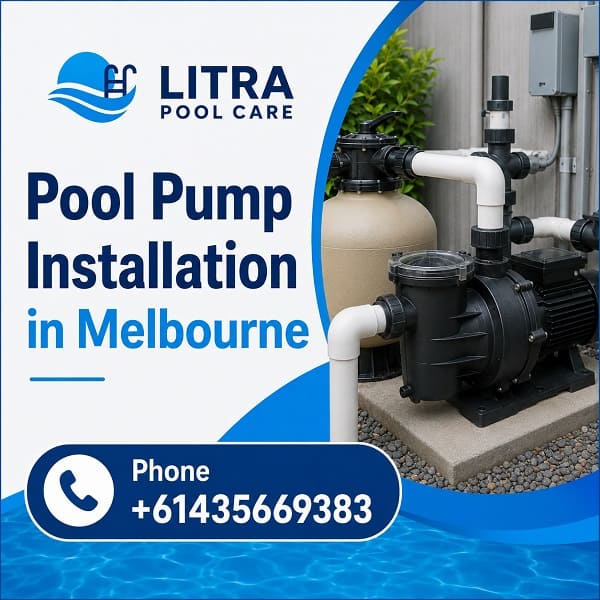
Installation and commissioning, not just a pump swap
This service covers the installation side of a pool pump job: pump position, pipework connection, unions, valve alignment, priming, flow checks, pressure behaviour and operating settings after the pump is fitted.
A good install is not only about replacing the old unit. Pump size, suction and return plumbing, equipment height, filter condition and connected equipment all affect how well the pool circulates after the new pump is connected.
What the installation should achieve
When a new pump install makes sense
Installation is usually needed when the old unit has failed, repair is no longer practical, flow is weak, or the pool equipment has changed and the existing pump no longer suits the system.
- The pump will not start, overheats or trips repeatedly.
- The pump housing, unions or fittings are damaged.
- The motor is noisy and repair cost is close to replacement value.
- The pool needs better flow for a chlorinator, heater, cleaner or filter.
- The owner wants a quieter and more controllable variable-speed setup.
If you are choosing a new model, compare options on our pool pump replacement page. If the pump may still be repairable, see our pool pump repair and replacement service.
What is checked before choosing a pump
A pump should be selected after checking the pump pad and connected equipment, not only by copying the label on the old motor. A like-for-like swap can repeat the same circulation problem if the original unit was oversized, undersized or poorly matched to the plumbing.
- Pool size, turnover needs and normal use pattern.
- Filter type, filter pressure and flow tolerance.
- Pipe size, suction layout, return layout and valve condition.
- Salt chlorinator flow switch requirements, where fitted.
- Heater, solar, cleaner or water feature flow requirements.
- Equipment pad space, ventilation and access for servicing.
What correct flow means after installation
Correct flow is not only strong water movement at the returns. After installation, the pump should work with the filter, valves and connected equipment without air draw, pressure problems or low-flow faults.
Single-speed vs variable-speed pump considerations
A single-speed pump runs at one fixed speed. It can be suitable for simple systems, but it may be louder and less flexible because it cannot easily separate filtration flow from cleaning, heating or backwash flow.
A variable-speed pump can be tuned with different speeds for daily filtration, priming, chlorinator support, heating, vacuuming and backwash. The benefit depends on correct setup. Running too slowly can cause poor skimming, unstable prime or flow-switch problems. Running too fast all day can create avoidable noise and wear.
| Pump type | Best suited for | Key checks before setup |
|---|---|---|
| Single-speed pump | Simple equipment layouts where one operating speed is acceptable. | Flow, pressure, noise level, plumbing strain and compatibility with the filter and chlorinator. |
| Variable-speed pump | Pools that need quieter daily running, better control or different operating modes. | Minimum flow for chlorination, heating or solar, priming behaviour, cleaning speed and schedule logic. |
Pump position, pipework and valves
Pump position affects prime stability, noise, vibration and future servicing. The pump should sit level, with enough space around the lid, unions, drain plugs and motor ventilation area.
- The pump base should be stable and not twisting the pipework.
- Unions should be accessible for future servicing.
- Suction and return valves should be checked for correct direction and condition.
- Old brittle fittings should not be forced into a new connection.
- Pipework should not place strain on the pump wet end or seal plate.
Common issues found before a new pump is fitted
Many pump jobs reveal older problems around the pad. These should be identified before the new unit is connected, otherwise the same symptoms may continue.
- Air entering through the pump lid, unions, suction valves or pipe joints.
- Low water level or suction restrictions causing unstable prime.
- Mechanical seal leaks between the motor and wet end.
- Vibration or pipe stress creating noise complaints.
- Blocked baskets, blocked impeller or poor valve position.
Commissioning checks after installation
Commissioning confirms the pump is working with the whole pool system. A new pump should not be judged only by whether it turns on. It should start, prime, circulate and run without abnormal leaks, vibration or pressure problems.
How pump symptoms affect the installation plan
The reason for fitting a new pump helps decide what should be checked first. A noisy motor, a seal leak and a pump that loses prime are different problems, and each can point to a wider equipment issue.
| Symptom before installation | Possible issue | Why it matters for the new pump |
|---|---|---|
| Pump loses prime after shutdown | Air path on the suction side, lid seal, unions, valves or water level. | The same suction issue can affect a new unit if it is not corrected. Read more about a pool pump that loses prime overnight. |
| Water dripping between motor and wet end | Mechanical seal failure, worn seal plate area or plumbing strain. | The connection should avoid pipe stress and confirm the new seal area stays dry. See our guide to a pool pump mechanical seal leak. |
| Grinding, whining or neighbour noise concern | Bearings, cavitation, vibration transfer, poor base support or high operating speed. | Pump selection, base position and speed settings can reduce avoidable noise. See pool pump noise complaints in Melbourne. |
| Weak flow after equipment changes | Pump mismatch, valve position, filter restriction or connected equipment flow demand. | The pump should be matched to the full pool system, not chosen in isolation. |
When the pump is part of a larger equipment job
If the pump is being fitted with a new filter, salt chlorinator, heater, automation system or visible plumbing changes, the job should be planned as a complete equipment setup rather than a pump-only task.
For broader work, see pool equipment installation in Melbourne.
What to send before booking
Photos help confirm access, pipe layout and whether a straightforward install is realistic. Send clear photos of the current pump, filter, chlorinator, valves, pipework and the equipment pad from a few steps back.
- Photo of the pump label, if readable.
- Photo of the full equipment area.
- Photo of valves and pipework around the pump.
- Short note about symptoms: noise, leaks, prime loss, weak flow or start failure.
Related pump guides
These guides help identify whether the pool needs a new pump, a repair, a replacement decision, or a wider equipment correction.
For choosing a new pump, replacing an old unit and comparing variable-speed upgrade options.
For noisy pumps, leaks, start failures, weak flow and repair-vs-replacement decisions.
For air entering the suction side, lid seal problems, unions, low water or shutdown-related prime loss.
For drips near the seal plate, motor-end leaks and seal-related replacement decisions.
For grinding, whining, vibration transfer, high-speed running and neighbour-sensitive setups.
For pump, filter, chlorinator, heater and visible plumbing work planned together.
FAQ: pool pump installation
Can you install a variable-speed pump on an older pool?
Often yes, but the pipework, filter, valves, chlorinator and connected equipment should be checked first. The pump also needs correct speed settings so it can prime, skim, filter and support chlorination or heating where required.
Is a bigger pool pump always better?
No. An oversized pump can increase noise, pressure, energy use and plumbing stress. The right pump should suit the pool, equipment and required flow, not just have the highest output.
Why does a new pump still lose prime?
Prime loss is often caused by air entering the suction side, not the pump alone. Lid O-rings, unions, valves, low water level and suction-side pipework should be checked during installation.
Do pump speed settings matter after installation?
Yes. Variable-speed pumps need practical settings for priming, filtration, cleaning, chlorination and heating. Incorrect speeds can cause poor flow, noisy operation or unreliable equipment performance.
Can a pump installation fix pool circulation problems?
It can help when the old pump is the limiting factor, but circulation also depends on pipework, valves, filter condition, return direction and debris load. A good installation checks the whole flow path.
Book pool pump installation in Melbourne
Send photos of your pump pad or call Litra Pool Care to discuss pump fitting, variable-speed setup, pipework changes and commissioning checks.